
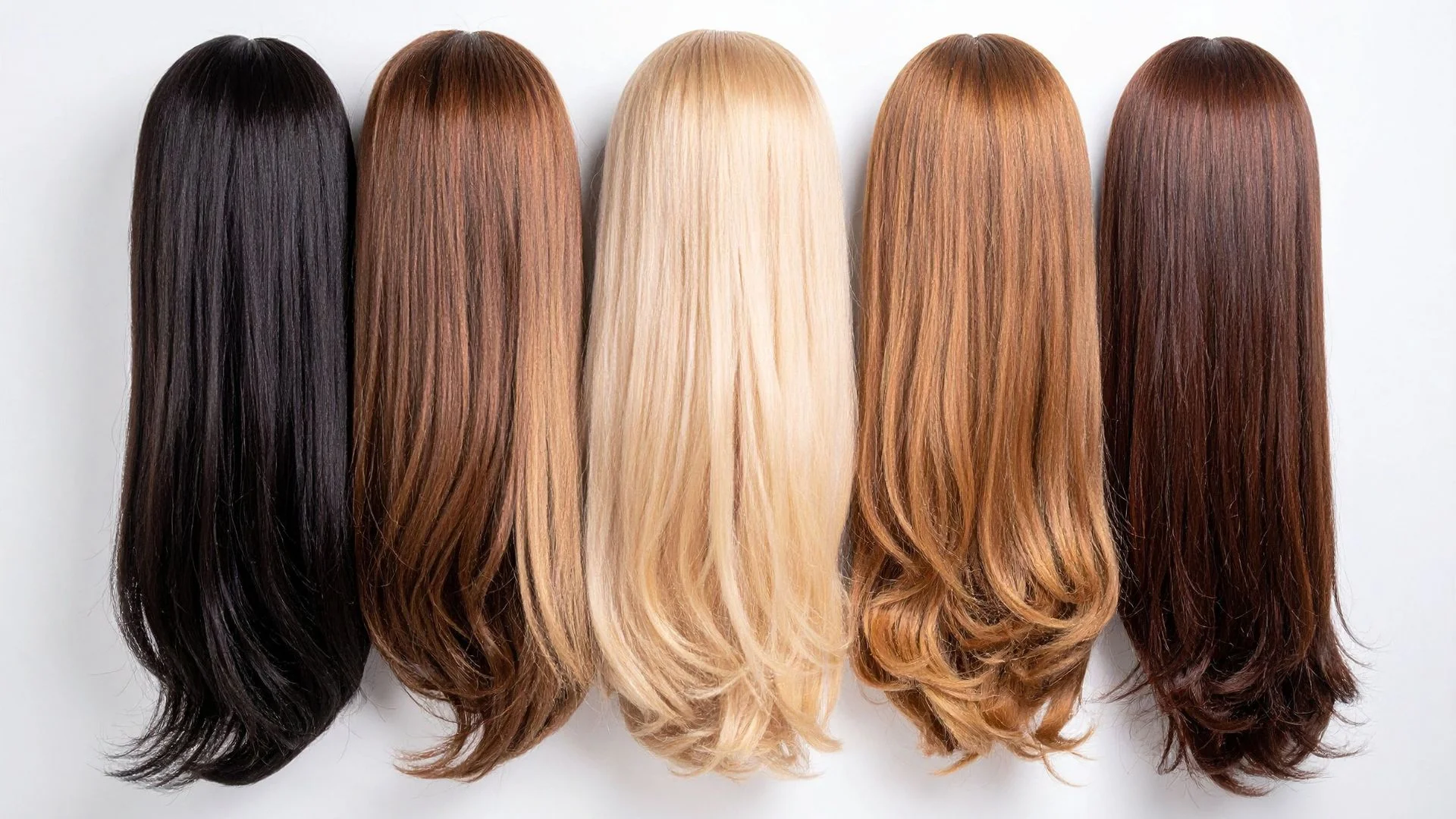

Many of us style our hair using heated tools to achieve the results we’re looking for, and the great thing about human hair wigs is that these very same tools can also be used to style them.
That said, to protect the high-quality fibers sourced by European hair wig manufacturers from breakage, dryness, and loss of natural texture, you must take steps to nourish and protect the internal moisture of the hair and its keratin structure.
Here’s what you need to do:
Prepping your wig
Before you even begin using a heated styling tool, you should take these preparatory steps:
· Start with clean hair: Wash your wig before its first styling. When restyling between washes, ensure there is no significant product build-up, as old hairspray or gel can “cook” under high heat.
· Apply heat protectant: Use a spray or serum on damp hair before air-drying or blow-drying on a cool setting. If you are restyling a dry wig, choose a lightweight spray specifically designed for dry application.
Styling with heat
By sticking to these simple rules, you can enjoy a beautifully styled human hair wig for many months or years to come:
· Always use tourmaline or ceramic plates to avoid burning the hair; these materials help seal in moisture rather than stripping it away.
· Always keep the temperature below the maximum setting. For fine or colored hair, stay at 300°F to prevent breakage; for standard human hair, you can go as high as 350°F.
If your hair sizzles while you’re heating it up, stop right away, as it either means that your hair is still damp or there is too much product on it.
Using the right method
Instead of repeatedly running heat over the same area, use this technique:
· With a fine-toothed comb, run it through a small section of your hair.
· Then, follow the path of the comb with your heated tool in a controlled, smooth motion.
Doing this ensures that the hair fibers are lined up perfectly before heat is applied and prevents damage from overuse.
Post-styling
To seal in moisture and protect the hair cuticles after styling, consider these maintenance tips:
· Add a small amount of your favorite natural oil to the ends to seal the cuticle and add shine.
· If you wear your wig overnight or want to protect it while it rests on a stand, avoid contact with cotton fabrics. Cotton soaks up moisture and creates friction in Slavic hair wigs, whereas satin or silk helps preserve the style.
Human hair wigs are the best option if you’re seeking a natural look that will turn heads without it being obvious to everyone that it isn’t your own hair. Protecting your investment is simple when you follow these steps. By using the right tools and controlling the temperature, you can preserve the luxury of your human hair wig and keep your hair looking soft, shiny, and head-turning for longer.